

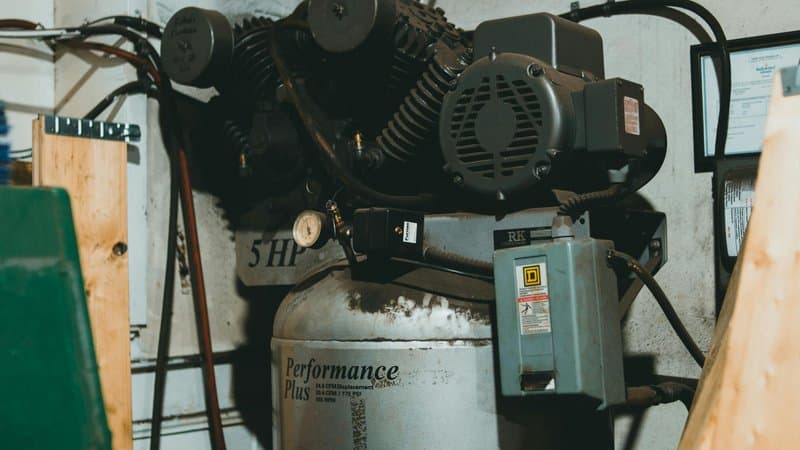
What Does the Compressor Do?
The compressor is the most important and most expensive component in a heat pump. It pressurises the refrigerant gas, raising its temperature so it can release heat into your home. A failed compressor means the system cannot heat or cool at all.
Signs of Compressor Problems
- Loud banging, knocking, or grinding noises from the outdoor unit
- High-pitched squealing on startup
- System trips the breaker shortly after starting
- Hard start — the system struggles to start, takes longer than usual
- Hot, hot discharge line but cold suction line — indicates compressor inefficiency
- System runs continuously but achieves no heating
- Error codes relating to high pressure or compressor protection
Common Causes of Compressor Failure
- Age and wear — most compressors last 15–20 years
- Lubrication failure — oil contamination or loss
- Liquid refrigerant entering the compressor (liquid slugging)
- Overheating from poor airflow or blocked filters
- Electrical failure — voltage spikes or winding insulation breakdown
- Running with low refrigerant charge for extended periods
Compressor Replacement Costs
Compressor replacement is the most expensive heat pump repair. Expect to pay:
- Compressor part: £500–£1,500 depending on brand and kW size
- Labour: £300–£500
- Refrigerant recharge: £150–£250
- Total: £950–£2,250
For systems over 12 years old, compare this against the cost of a new heat pump after the £7,500 BUS grant before committing to a compressor replacement.
Tags:
heat pump compressorcompressor repairASHP compressorheat pump breakdown